Automated photography for research
QuantiPlant was my final degree project: a prototype combining a Raspberry Pi 5, HQ camera and LED lighting to document experiments involving Petri dishes and seedlings.
An automated photography system for monitoring seed and seedling experiments, controlled through a local web interface.
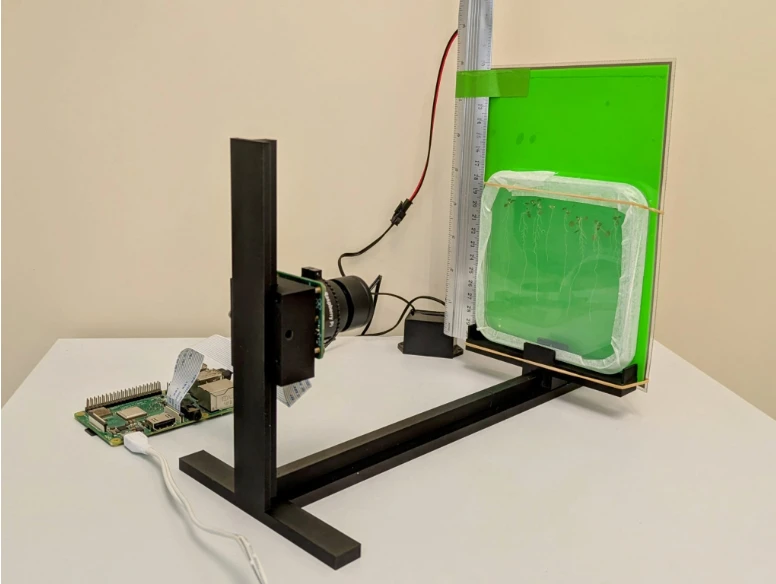
QuantiPlant was my final degree project: a prototype combining a Raspberry Pi 5, HQ camera and LED lighting to document experiments involving Petri dishes and seedlings.
Make it easier to collect consistent images over time, reduce manual intervention and provide a straightforward way to organise and download the photographs.
I designed and integrated the capture setup and developed a web application accessible over the local network. Users can take photographs manually, schedule periodic captures, adjust camera settings and browse results.
Choose camera settings and schedule captures.
Activate the lighting and take the photograph.
Organise images and export them as ZIP files.
Conceptual diagram of the project, not a screenshot of its original interface.
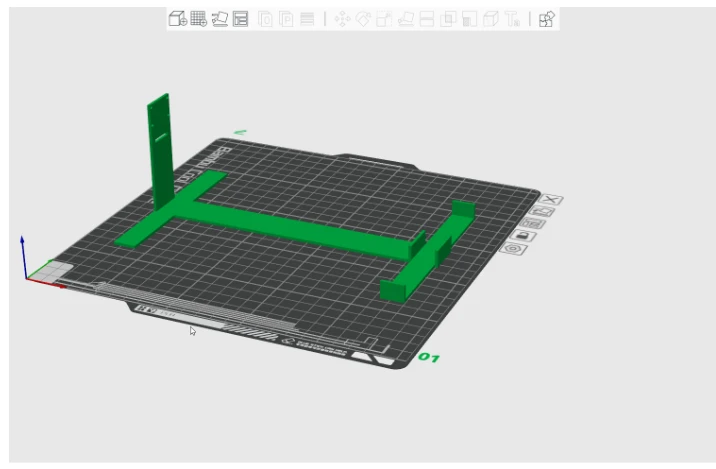
Raspberry Pi 5, HQ camera, LED lighting and a custom 3D-printed mount. The assembly was designed to keep the camera position consistent.
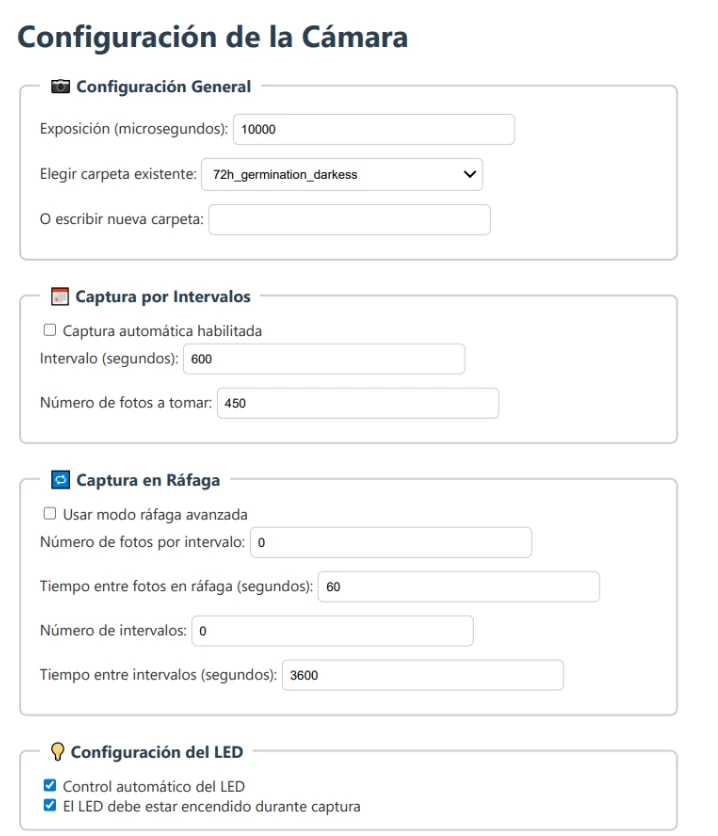
The backend was developed with Python and Flask. Image capture used Raspberry Pi camera tools, while Bash, Docker and systemd supported the runtime environment.
The prototype documented experiments with periodic photographs, including a series captured every 12 hours. The pytest test suite achieved 72% coverage.
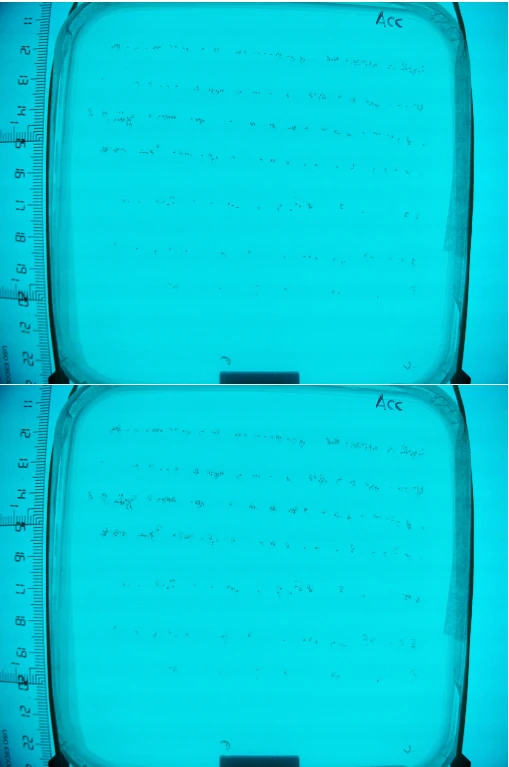
QuantiPlant is an academic prototype for capturing and organising images. It does not include AI image segmentation, a live camera preview or user authentication. The workflow diagram is conceptual; the photographs and interface screenshot are real project material.